Research to Inform Craft-based Young Persons’ Sexuality Education (Open) Curriculum for a Potential (Speculative) Future
Text by Morgan Thomas Shankweiler
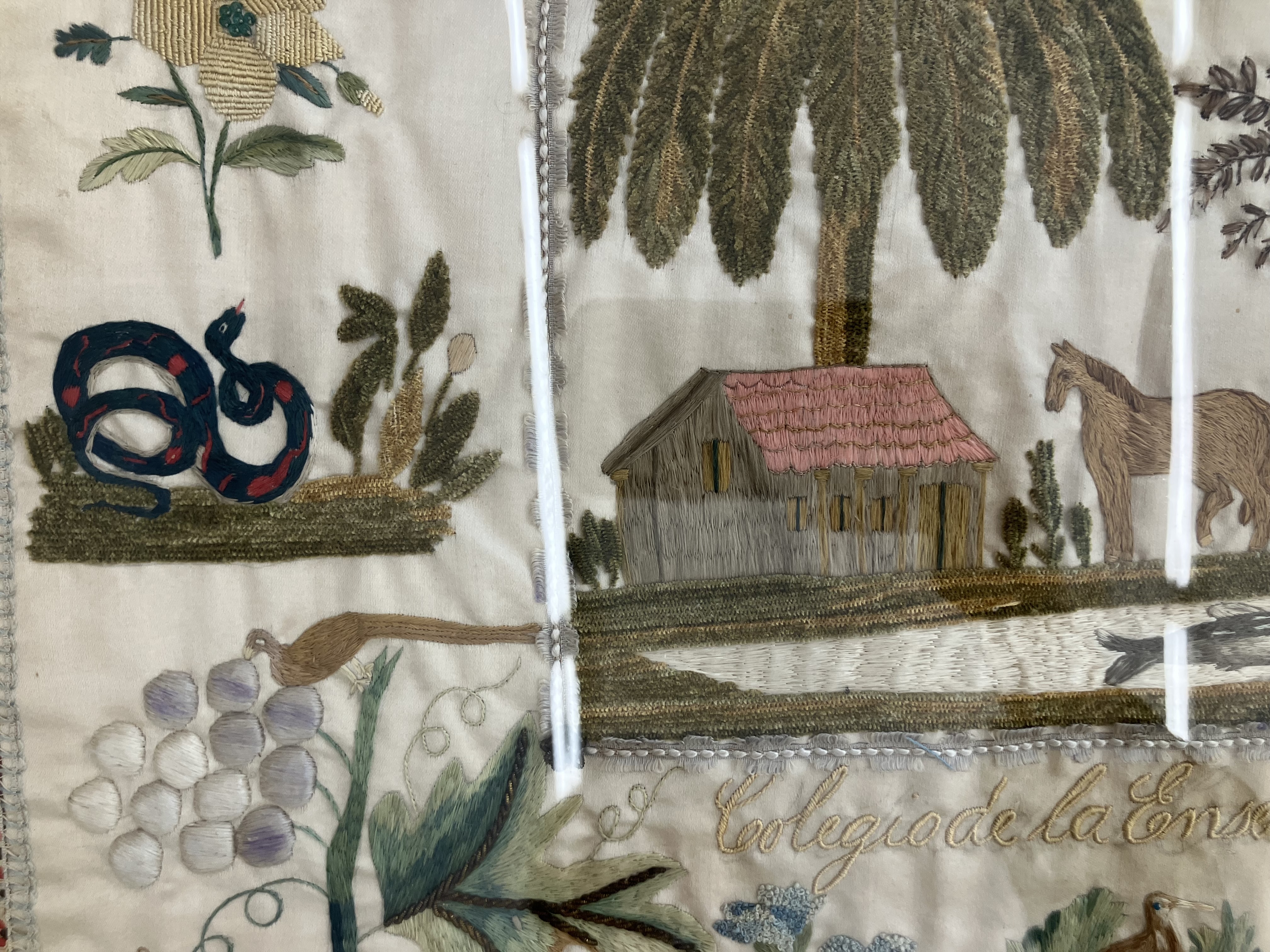
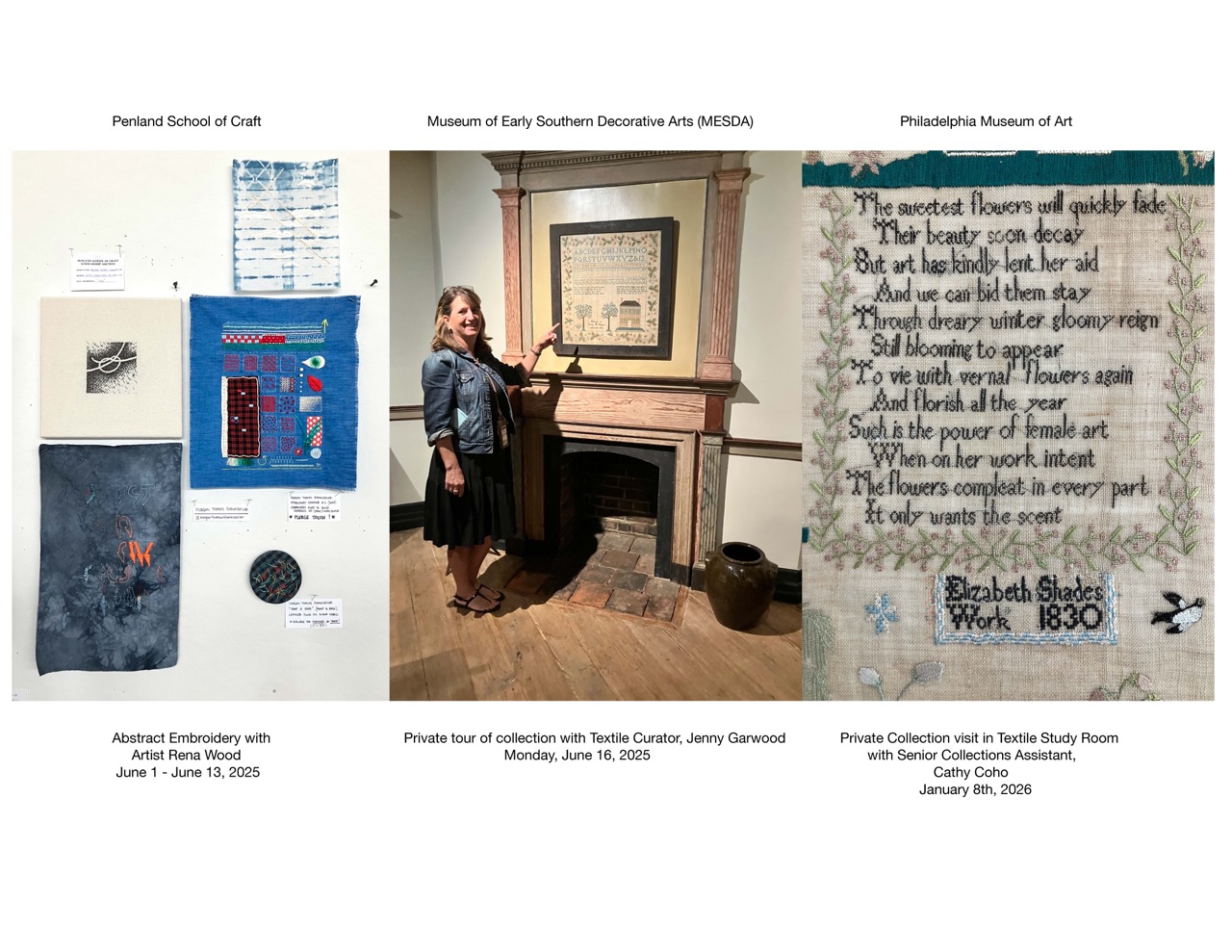
Research to Inform Craft-based Young Persons’ Sexuality Education (Open) Curriculum for a Potential (Speculative) Future informs a multi-year research-based work in collaboration with my daughters wherein we work together to teach/learn sexuality education, an education that is not standardized in the United States schooling system and is oft neglected. Mining storytelling, embroidery samplers, and other craft-based and women’s education pedagogies, my daughters and I are utilizing an open and situated system of learning that allows for student agency in the curriculum. Domestic craft offers a lens through which to look at how we inherit and embody social systems and reiterate those systems as we move through adult life, but also ways in which these systems can be used subversively. Through this research I hope to identify a threshold where these necessary but neglected knowledges can be transmitted through artistry that traces learning engagement and that can empower – through craft, play, disorientation and storytelling.
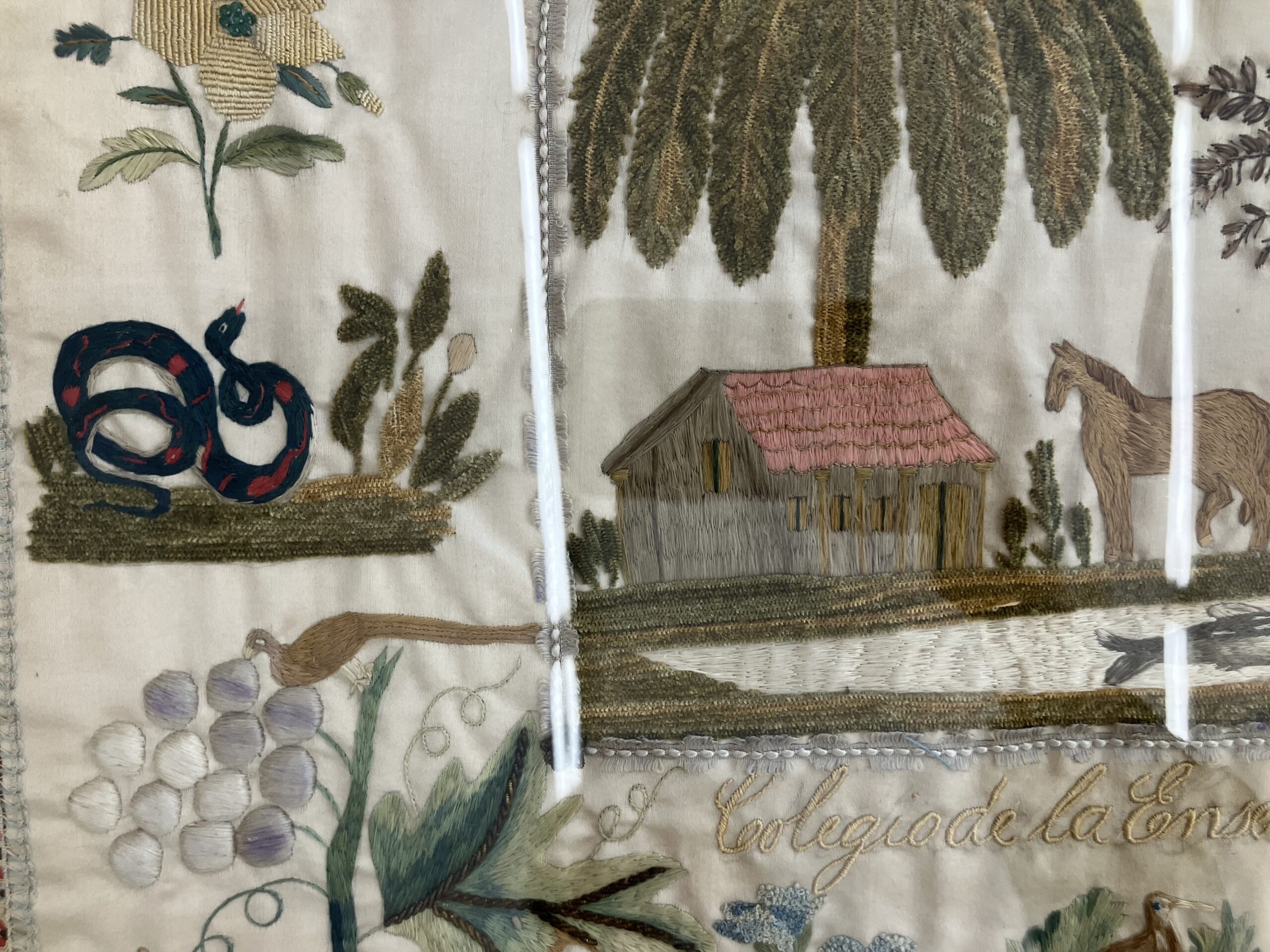
Thanks to the FRFF and a scholarship from Penland, I was able to attend an embroidery class at Penland School of Craft with artist Rena Wood, and afford travel costs and fees for visits to the Museum of Early Southern Decorative Arts (MESDA) to meet with textiles curator Jenny Garwood and the Philadelphia Museum of Art to meet with Senior Collections Assistant, Cathy Coho. Penland is a magical place at which I have previously spent ample time as an artist-in-residence and instructor, but that I had yet to attend as a student. Rena Wood was an incredible instructor to learn from, both learning the craft and learning how to be a successful teacher of craft. The students were from all walks of life – the Southern housewife, the classic (older) woman Penland-repeat-customer, the radical leftist New Yorker, the grad student (not just me!), the college drop-out, the new high school graduate, the YouTube hobbyist – and came to the class with all different skill levels in embroidery. Wood met each of us where we were, giving equal attention to all students and playfully learning alongside us when we did something unexpected or experimental. Embroidery lends itself to constant re-learning as there are so many ways to stitch. Embroidery is also the “slowest way to draw”, as I kept repeating to people who asked me how the class was going. As someone who is used to making quickly, the molasses pace was frustrating but it meant that the classmates chatted and connected while stitching, a parallel learning of each other and community building that I see written about in histories of the craft. The visits with Jenny Garwood at MESDA and Cathy Coho at PMA further confirmed the social practice of embroidery as a foundation for the women’s network of a given place. Whether in boarding schools or at home, young women learned the craft in the domestic spaces and proximity of older women. This afforded them a situated learning environment that gave them legitimate placement in a community. The conversations in these spaces did not only revolve around the craft, but touched on interpersonal relationships, politics, gossip and mourning. In classrooms, the subject matter of the images the girls were embroidering offered them room to learn to read, write, meditate on Bible verse, map, participate in abolitionist movements, raise money for causes – there are globe embroideries and even astronomy embroideries made by female students.
From these visits I gained insight into subjects learned within early craft-based educations of girls and the various purposes of this education. The samplers I made and viewed will inform my own future “samplers” that tell the story of my daughters’ learning of sex-ed and tell other women’s stories of learning sex-ed through embroidered textile annotation. The embroidery I have started in the studio will be an element of my MFA Thesis Show going up in Spring 2027. With leftover money, I purchased an audio recording device and have started recording the Sexuality Education class sessions as well as doing interviews with classmates, friends and family members about their own Sex-Ed experiences. I plan to draw on these recordings to compose writing and artworks. I was also able to purchase embroidery and sex-ed literature to use in educating my daughters and learning stitches alongside them as we endeavor together to build this loving, learning and living document.
This project was made possible in part with support from the Frank-Ratchye Further Fund Grant #2025-069.